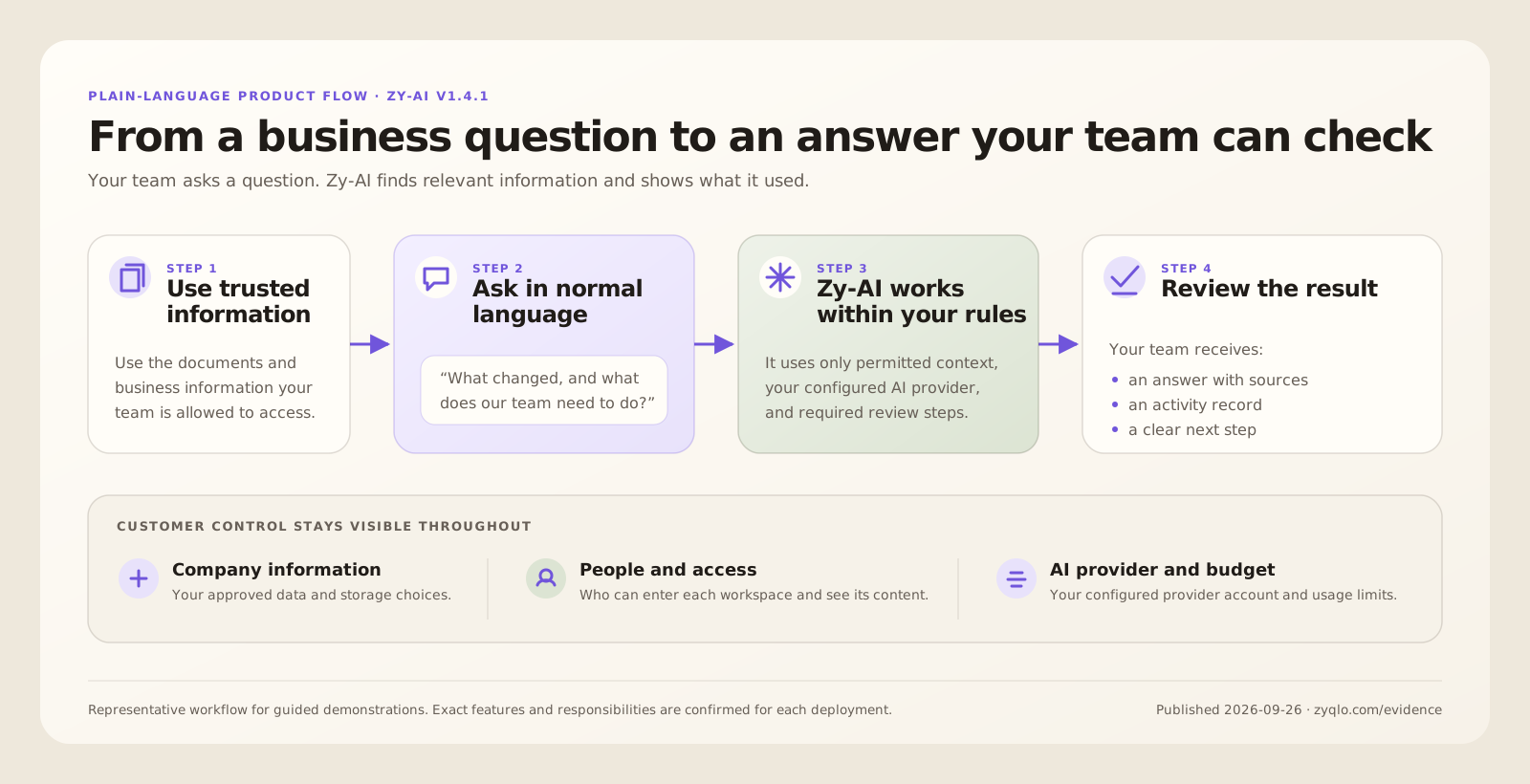
See how Zyqlo works.
Start with a plain-language product flow. If you need more detail, you can also review the current release, technical setup, completed checks, and known limitations.
The same product should make sense to the person funding it, the team using it, and the people responsible for operating it safely.
Start with the product pages, what is available now, and the booking flow. You do not need to read the technical files first.
Review the productReview the example workflow, setup responsibilities, available support, and what must be agreed before a pilot.
Review implementationReview the technical architecture, security overview, release checks, and stated limitations when deeper evaluation begins.
Review security and controlsA team starts with approved company information, asks a question normally, and reviews the answer and its supporting record. Technical setup details remain available through the architecture link for the people who need them.
On a smaller screen, scroll across the workflow to read each step.
You do not need a company-wide transformation plan. Start with one recurring task that costs time, creates confusion, or depends too heavily on one person.
Help your team find an approved answer without searching across folders, messages, and old documents.
Bring the right information, reviewer, and next step into one clear and repeatable path.
Make ownership, versions, handoffs, and activity easier for everyone involved to follow.
These counts come from the v1.4.1 release record. They show the checks completed by Zyqlo and are not an independent certification.
Bring one business question, approval task, or file process. We will show the relevant product path using safe demonstration data and discuss what a practical first setup would require.
Every customer setup is planned around its intended use, team, and operating environment.
During discovery, we confirm expected capacity, sign-in, storage, backups, recovery, support, and responsibility for each provider.